
Endophthalmitis
Endophthalmitis is a serious infection or severe inflammation inside the eye. It is considered an ophthalmic emergency because it can rapidly damage delicate eye tissues and lead to permanent vision loss if not treated promptly.
The infection usually involves the vitreous, the gel-like substance filling the inside of the eye, and may also affect the retina and other internal eye structures.
Although endophthalmitis is uncommon, it requires urgent evaluation and treatment by an ophthalmologist or retinal specialist.
What Causes Endophthalmitis?
Endophthalmitis most commonly occurs when bacteria or fungi enter the eye.
There are two main types:
Exogenous Endophthalmitis
This is the most common type and occurs when germs enter the eye from outside the body.
Common causes include:
- Eye surgery (especially cataract surgery)
- Eye injections
- Eye trauma or penetrating injury
- Corneal infections
Most postoperative infections occur within days to weeks after surgery or injections.
Endogenous Endophthalmitis
This less common form occurs when an infection elsewhere in the body spreads through the bloodstream into the eye.
Risk factors may include:
- Diabetes
- Hospitalization
- Intravenous drug use
- Weakened immune system
- Severe bloodstream infections
Symptoms of Endophthalmitis
Symptoms usually develop quickly and may worsen over hours or days.
Common symptoms include:
- Severe eye pain
- Redness
- Blurred or decreased vision
- Sensitivity to light
- Swelling around the eye
- Floaters
- Discharge from the eye
Vision loss can become severe very quickly, so immediate medical attention is critical.
When Should You Seek Emergency Care?
Patients should contact their eye doctor immediately or seek emergency care if they experience:
- Sudden severe eye pain
- Rapid vision loss
- Increasing redness after eye surgery or injections
- New floaters or light sensitivity
- Swelling around the eye
Prompt treatment greatly improves the chance of preserving vision.

How Is Endophthalmitis Diagnosed?
A retinal specialist or ophthalmologist diagnoses endophthalmitis through a detailed eye examination and specialized testing.
Dilated Eye Examination
The eye may show:
- Severe inflammation
- Vitreous haze
- Retinal involvement
- Pus-like material inside the eye (hypopyon)
Ultrasound Imaging (B-Scan)
If the view into the eye is blocked by inflammation, ultrasound may help evaluate the retina and vitreous.
Vitreous or Aqueous Sampling
A small sample of fluid may be taken from inside the eye to identify the bacteria or fungus causing the infection.
Laboratory testing helps guide antibiotic treatment.
Treatment for Endophthalmitis
Endophthalmitis requires urgent treatment to control infection and preserve vision.
Intravitreal Antibiotic Injections
Antibiotics are commonly injected directly into the eye to achieve high medication levels quickly.
If fungal infection is suspected, antifungal medications may be used instead.
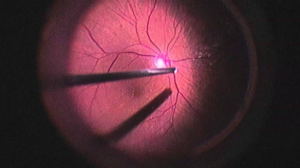
Vitrectomy Surgery
Some patients require vitrectomy surgery, especially if:
- Vision is very poor
- Severe infection is present
- Large amounts of inflammation or debris fill the eye
During vitrectomy:
- Infected vitreous gel is removed
- The inside of the eye is cleaned
- Antibiotics are administered
Oral or Intravenous Antibiotics
Additional antibiotics may sometimes be given by mouth or through an IV.
Steroid Medications
Steroids may occasionally help reduce inflammation after infection begins to improve.
What Is the Prognosis?
Visual outcomes depend on:
- How quickly treatment begins
- The type of organism causing infection
- The severity of infection
- Whether the retina is damaged
Some patients recover useful vision, while others may experience permanent vision loss despite treatment.
Early diagnosis and immediate treatment offer the best chance for a good outcome.
Can Endophthalmitis Be Prevented?
Although not all cases can be prevented, the risk can be reduced through:
- Sterile surgical technique
- Careful postoperative care
- Proper use of antibiotic preparations when appropriate
- Prompt treatment of eye injuries and infections
Patients should carefully follow all postoperative instructions after eye surgery or eye injections.
Frequently Asked Questions
Is endophthalmitis an emergency?
Yes. Endophthalmitis is a medical emergency that requires immediate evaluation and treatment to reduce the risk of permanent vision loss.
Can endophthalmitis happen after eye injections?
Yes. Although rare, endophthalmitis can occur after intravitreal injections or eye surgery. Patients should immediately report worsening pain, redness, or vision loss afterward.
Can vision recover after endophthalmitis?
Some patients recover good vision, especially with early treatment. However, severe infections can permanently damage the eye and reduce vision.
More Information
For additional patient information, visit the American Society of Retina Specialists Endophthalmitis Page