
Plaquenil® Retinopathy (Hydroxychloroquine Retinopathy)
Plaquenil® retinopathy is a condition in which the retina becomes damaged from long-term use of hydroxychloroquine, a medication commonly prescribed to treat autoimmune diseases such as lupus and rheumatoid arthritis. While hydroxychloroquine is generally considered safe and effective, retinal toxicity can occur in some patients, especially after many years of use.
Because early retinal damage often causes no symptoms, regular screening examinations are extremely important. When detected early, progression of vision loss may be minimized by stopping the medication in coordination with the prescribing physician.
What Is Plaquenil®?
Plaquenil® is the brand name for hydroxychloroquine, a medication used to treat a variety of medical conditions, including:
- Rheumatoid arthritis
- Systemic lupus erythematosus (lupus)
- Certain dermatologic conditions
- Some inflammatory and autoimmune diseases
For many patients, hydroxychloroquine provides excellent disease control and improves quality of life.
Most people who take hydroxychloroquine never develop retinal toxicity.
How Does Hydroxychloroquine Affect the Retina?
Hydroxychloroquine can accumulate within retinal cells over time, particularly in the retinal pigment epithelium and photoreceptors.
This toxicity may lead to:
- Damage to light-sensitive retinal cells
- Progressive vision changes
- Permanent retinal injury if not recognized early
Unfortunately, retinal damage caused by hydroxychloroquine cannot be reversed.
However, early detection offers the best opportunity to preserve vision.
Who Is at Risk?
The risk of hydroxychloroquine-induced retinopathy depends on several factors.
Daily Dose
The most important risk factor is taking too high a daily dose.
Current guidelines recommend a maximum dose of:
- 5 mg/kg/day or less based on actual body weight
Duration of Use
Risk increases with longer treatment duration.
Approximate risks include:
- Less than 1% during the first 5 years
- Less than 2% up to 10 years
- Nearly 20% after 20 years of use
Even after 20 years, most patients do not develop toxicity.
Other Risk Factors
Additional factors that increase risk include:
- Kidney disease
- Use of tamoxifen
- Pre-existing retinal disease
- Higher cumulative doses
- Older age
Symptoms of Hydroxychloroquine Retinopathy
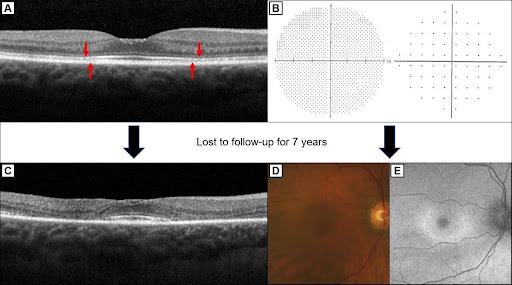
Early retinal toxicity often causes no symptoms.
As damage progresses, symptoms may include:
- Difficulty reading
- Blurred central vision
- Missing areas in vision
- Difficulty adapting to dim lighting
- Reduced color vision
- Distortion of central vision
Because symptoms may not appear until retinal damage is advanced, routine screening is critical.
How Is Hydroxychloroquine Retinopathy Diagnosed?
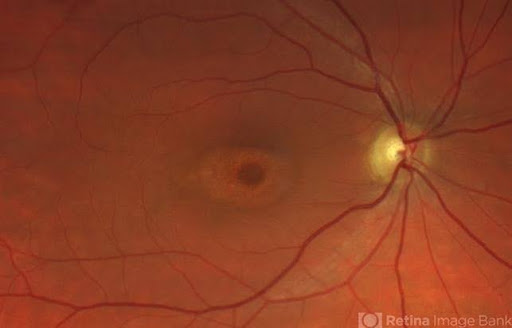
Retina specialists use several specialized tests to detect toxicity before noticeable vision loss occurs.
Dilated Eye Examination
A dilated exam evaluates the health of the retina and macula.
In advanced cases, the retina may develop a characteristic appearance called bull’s-eye maculopathy.
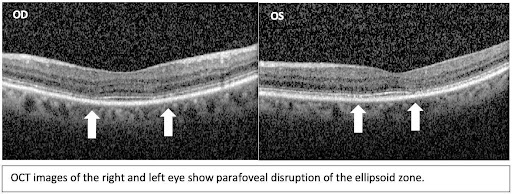
Optical Coherence Tomography (OCT)
OCT is one of the most important screening tools.
It can detect:
- Early thinning of retinal layers
- Photoreceptor damage
- Structural changes before symptoms develop
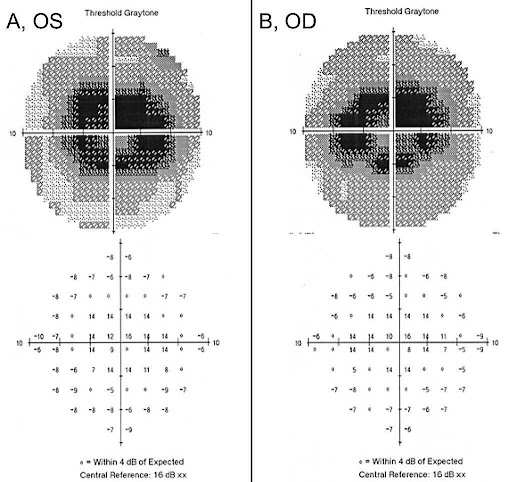
Visual Field Testing
Automated visual field testing identifies subtle blind spots caused by early toxicity.
A 10-2 visual field is commonly used in many patients, while wider field testing may be preferred in certain populations.
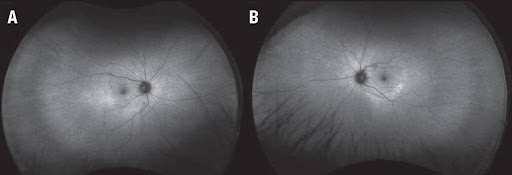
Fundus Autofluorescence (FAF)
FAF imaging highlights areas of retinal stress and damage.
Multifocal Electroretinography (mfERG)
mfERG measures retinal function and can detect early abnormalities.
Screening Recommendations
The American Academy of Ophthalmology recommends:
- A baseline eye examination within the first year of starting hydroxychloroquine
- Annual screening beginning after 5 years of use for patients at standard risk
- Earlier annual screening for higher-risk patients
Patients should never stop hydroxychloroquine without discussing the decision with the physician managing their underlying condition.
Treatment for Hydroxychloroquine Retinopathy
Stopping Hydroxychloroquine
If retinal toxicity is detected, the most important step is discontinuing the medication in coordination with the prescribing physician.
Alternative treatments for the underlying autoimmune disease may be considered.
Ongoing Monitoring
Even after stopping hydroxychloroquine:
- Retinal damage may continue to progress
- Follow-up examinations remain important
- Imaging is used to monitor stability
Low Vision Support
Patients with significant vision loss may benefit from:
- Low vision rehabilitation
- Magnification devices
- Assistive technology
What Is the Prognosis?
The outlook depends largely on when toxicity is detected.
Patients diagnosed early often maintain good functional vision.
However:
- Established retinal damage is permanent
- Advanced toxicity may continue to worsen even after the medication is stopped
- Early screening provides the best chance of preserving vision
Living With Hydroxychloroquine Use
If you take hydroxychloroquine:
- Keep all recommended eye appointments
- Know your daily dosage
- Inform your eye doctor about kidney disease or tamoxifen use
- Report new visual symptoms promptly
- Work closely with both your retina specialist and prescribing physician
Routine screening allows patients to safely benefit from hydroxychloroquine while minimizing the risk of retinal toxicity.
Frequently Asked Questions (FAQ)
Should I stop taking hydroxychloroquine if I'm worried about retinal toxicity?
Can hydroxychloroquine retinopathy be reversed?
How often do I need screening exams?
More Information
For additional patient information, visit the American Society of Retina Specialists Hydroxychloroquine Retinopathy Page